
Urinary Urgency During Menopause: Why Your Bladder Suddenly Has a Mind of Its Own
Have you ever found yourself rushing to the toilet, only to pass a surprisingly small amount of urine? Perhaps you've started planning your day around where the nearest bathroom is, or you've noticed that hearing running water or arriving home suddenly triggers an overwhelming need to go. For many women, these experiences become more noticeable during perimenopause and postmenopause.
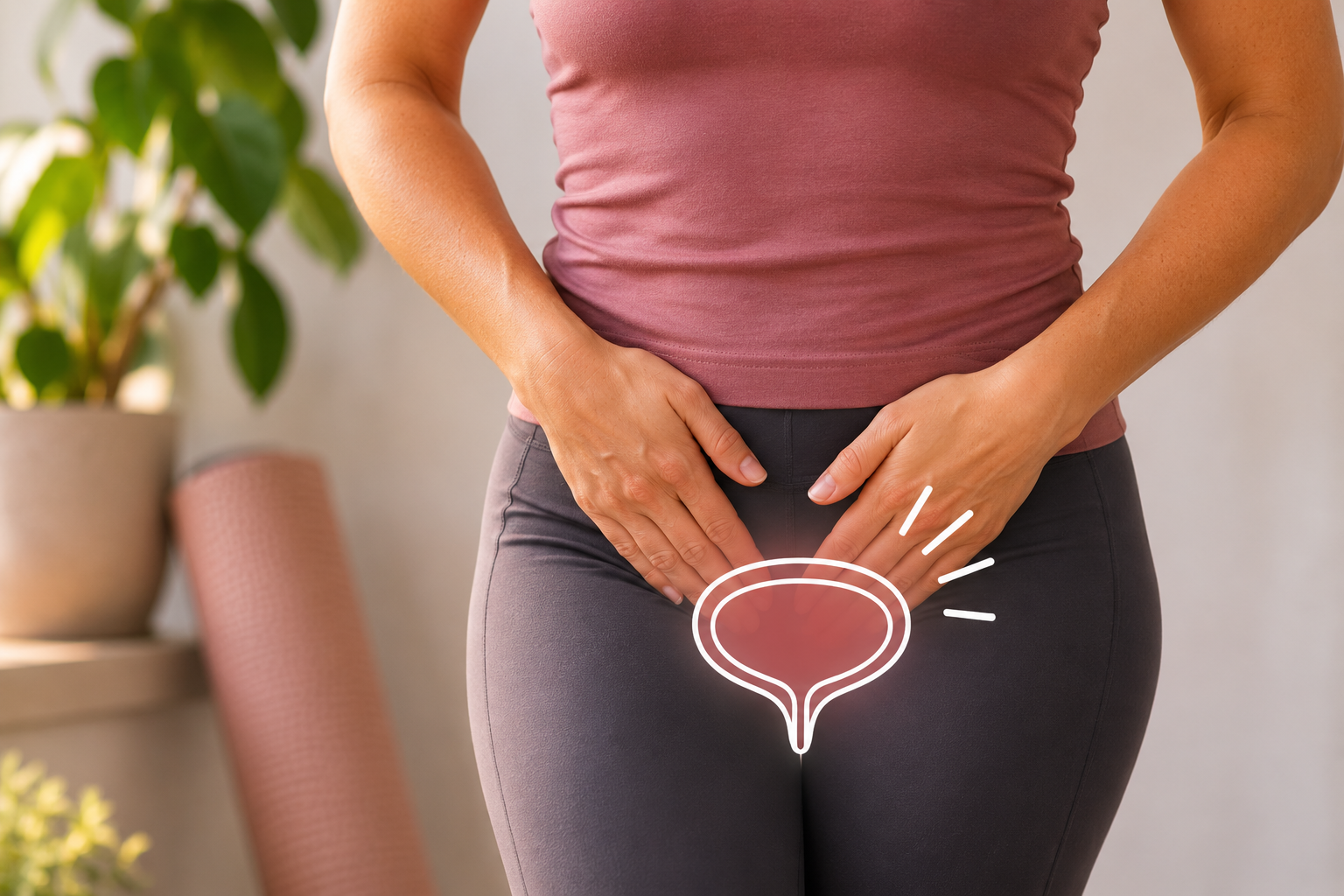
Urinary urgency is common, but it isn't something women should simply accept as an inevitable part of ageing.
The good news is that there are effective, evidence-based strategies that can help.
What exactly is urinary urgency?
Urinary urgency is defined as a sudden, compelling need to pass urine that is difficult to postpone.
It may occur alongside:
- Increased daytime urinary frequency
- Waking overnight to urinate
- Difficulty delaying the urge
- Leakage before reaching the toilet
- A feeling of needing to urinate again shortly after going
When urgency is accompanied by frequency and sometimes urgency-related leakage, it may be described as overactive bladder (OAB), provided infection and other causes have been excluded.
Not all women with urgency experience urinary incontinence.
Why can symptoms increase during menopause?
The bladder, urethra, vagina and surrounding pelvic tissues are influenced by oestrogen.
As oestrogen levels decline during menopause, changes can occur in the tissues of the lower urinary and genital tract.
These changes are collectively recognised as part of genitourinary syndrome of menopause (GSM).
GSM may involve vaginal dryness, discomfort during intercourse, recurrent urinary tract infections and urinary symptoms, including urgency and frequency (The Menopause Society, 2020).
However, hormones are only one part of the picture.
Bladder habits, fluid intake, constipation, pelvic floor muscle function, sleep, medications and other medical conditions can also influence urgency.
Is my bladder actually full?
Not necessarily!
Our bladder is designed to store urine and communicate with the brain as it gradually fills.
Normally, we can recognise these signals and choose an appropriate time to empty.
However, sometimes the bladder–brain communication system becomes more sensitive.
You may begin experiencing strong urges at relatively low bladder volumes.
Certain situations can also become triggers.
For example, regularly visiting the toilet just in case before leaving the house may gradually reinforce a habit of emptying at smaller volumes.
Over time, this can make normal bladder filling feel increasingly uncomfortable.
Should I go to the toilet every time I feel the urge?
Not always.
If you have developed a habit of passing urine very frequently, bladder training may help improve your ability to comfortably delay urination.
This doesn't mean ignoring significant discomfort or forcing yourself to hold urine for excessively long periods.
Instead, bladder training involves gradually increasing the time between toilet visits while using strategies to manage urgency.
A pelvic health physiotherapist can help establish an appropriate program based on your symptoms and bladder diary.
What can I do when urgency strikes?
One useful approach is to practise urge-suppression strategies.
When you experience a sudden urge:
- Stop moving rather than rushing towards the toilet.
- Take a few slow, relaxed breaths.
- Try to reduce tension through your abdomen and pelvic floor.
- Use an individually appropriate pelvic floor contraction strategy, if recommended.
- Allow the strongest part of the urge to settle before walking calmly to the bathroom.
These techniques can help some women regain confidence and reduce the feeling that the bladder is controlling their day.
However, women with overactive or painful pelvic floor muscles may require a different approach.
What about coffee and fluid intake?
Caffeine can aggravate urgency in some women, although individual sensitivity varies.
It may be worth monitoring whether coffee, tea, energy drinks or other beverages affect your symptoms.
Importantly, drinking less and less water isn't usually the solution.
Excessively restricting fluids can lead to concentrated urine, which may irritate the bladder and contribute to constipation.
A balanced fluid intake is generally preferable.
Can vaginal oestrogen help?
For postmenopausal women with symptoms of GSM, low-dose vaginal oestrogen may improve vaginal and some urinary symptoms.
Unlike systemic menopausal hormone therapy, vaginal oestrogen is primarily intended to treat local genitourinary symptoms.
It may be particularly useful when urgency occurs alongside vaginal dryness, discomfort or recurrent urinary tract infections.
This is something worth discussing with your GP, who can assess whether it is appropriate for you.
How can pelvic health physiotherapy help?
Pelvic health physiotherapy is an important first-line conservative management option for women experiencing urinary urgency and overactive bladder symptoms.
Treatment may involve:
- A bladder diary to identify patterns and triggers
- Bladder training and urge-suppression strategies
- Assessment of pelvic floor muscle strength, coordination and relaxation
- Fluid and bowel habit education
- Management of constipation
- Individualised pelvic floor rehabilitation
Referral for medical assessment when indicated
Persistent urgency should also be assessed to exclude urinary tract infection and other causes. Blood in the urine, pain, recurrent infections or difficulty emptying the bladder warrant medical review.
You don't have to plan your life around the toilet
Urinary urgency can affect exercise, travel, work, social activities and even the confidence to leave the house.
But symptoms can often improve with the right assessment and treatment.
Your bladder should support your lifestyle—not dictate it.
And whether you're 40, 50, 60 or beyond, it's never too late to seek help.
________________________________________
References
American Urological Association & Society of Urodynamics, Female Pelvic Medicine & Urogenital Reconstruction. (2024). The AUA/SUFU guideline on the diagnosis and treatment of idiopathic overactive bladder.
National Institute for Health and Care Excellence. (2019, updated 2021). Urinary incontinence and pelvic organ prolapse in women: Management (NG123).
National Institute for Health and Care Excellence. (2024). Menopause: Identification and management (NG23).
The North American Menopause Society. (2020). The 2020 genitourinary syndrome of menopause position statement. Menopause, 27(9), 976–992.
Not sure if Physiotherapy is the best option or want some quick advice?
Email our team and a Physiotherapist will contact you within 1 working day
