
Women’s Health Physiotherapy

Women’s health Physiotherapy is a specialised branch of Physiotherapy that focuses on the assessment, diagnosis, and treatment of conditions that affect women’s health, including the pelvic floor and associated structures.

Women’s Health Physiotherapy in Newcastle

Women's Physiotherapy involves the assessment and management of conditions that commonly affect women during pregnancy, after childbirth and throughout different stages of life.

At Advanced Physiotherapy, we provide professional and evidence-based care in a private and supportive clinical environment. Our goal is to help women improve comfort, confidence, movement and physical function through appropriate assessment, rehabilitation and education.

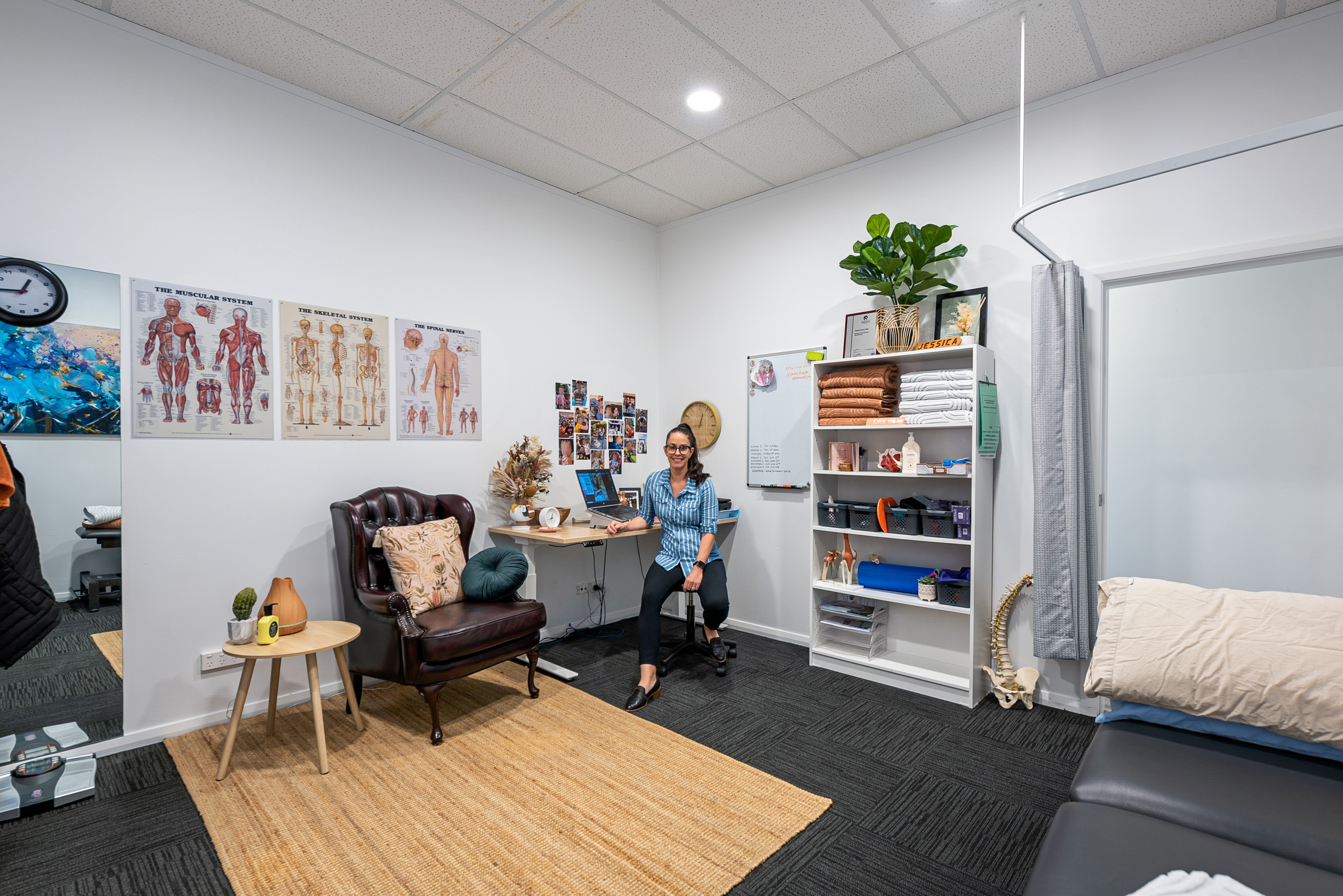
We understand that some women’s health concerns can feel sensitive or difficult to discuss. Our clinic which is located in Warners Bay provides a professional and respectful environment, with all consultations conducted in private treatment rooms. Our Women’s Health Physiotherpist Jessica Dingle has completed the following qualifications and titles relating to Womens Health:

  • Graduate Certificate in Pelvic Floor Physiotherapy
  • Graduate Certificate in Exercise & Women’s Health
  • Master of Physiotherapy (Pelvic Health) APA Titled Women’s, Men’s and Pelvic Health Physiotherapist.

We use state of the art equipment such as:

  • Real time ultrasound (RTUS) machine
  • TENS and TTNS (transcutaneoustibial nerve stimulation) for overactive bladder
  • Electrical stimuation for training the pelvic flooor

Common Conditions We Manage

Women's Health Physiotherapy is an important component of women's healthcare. By providing specialised care and education, Physiotherapists help women manage their conditions, prevent complications, and improve their quality of life.

Women’s Health Physiotherapists assess and treat a wide range of conditions, including:

  • Pregnancy-related back and pelvic pain
  • Postnatal recovery
  • Pelvic floor weakness
  • Urinary incontinence and bladder concerns
  • Abdominal muscle seperation (diastasis recti)
  • Pelvic pain
  • Return to exercise following pregnancy
  • Musculoskeletal pain associated with pregnancy or caring for young children

Many of these conditions are common, but they are not something women simply need to “put up with.” Appropriate Physiotherapy and rehabilitation can oftensignificantly improve symptoms and function.

Treatment is individualised and may include:

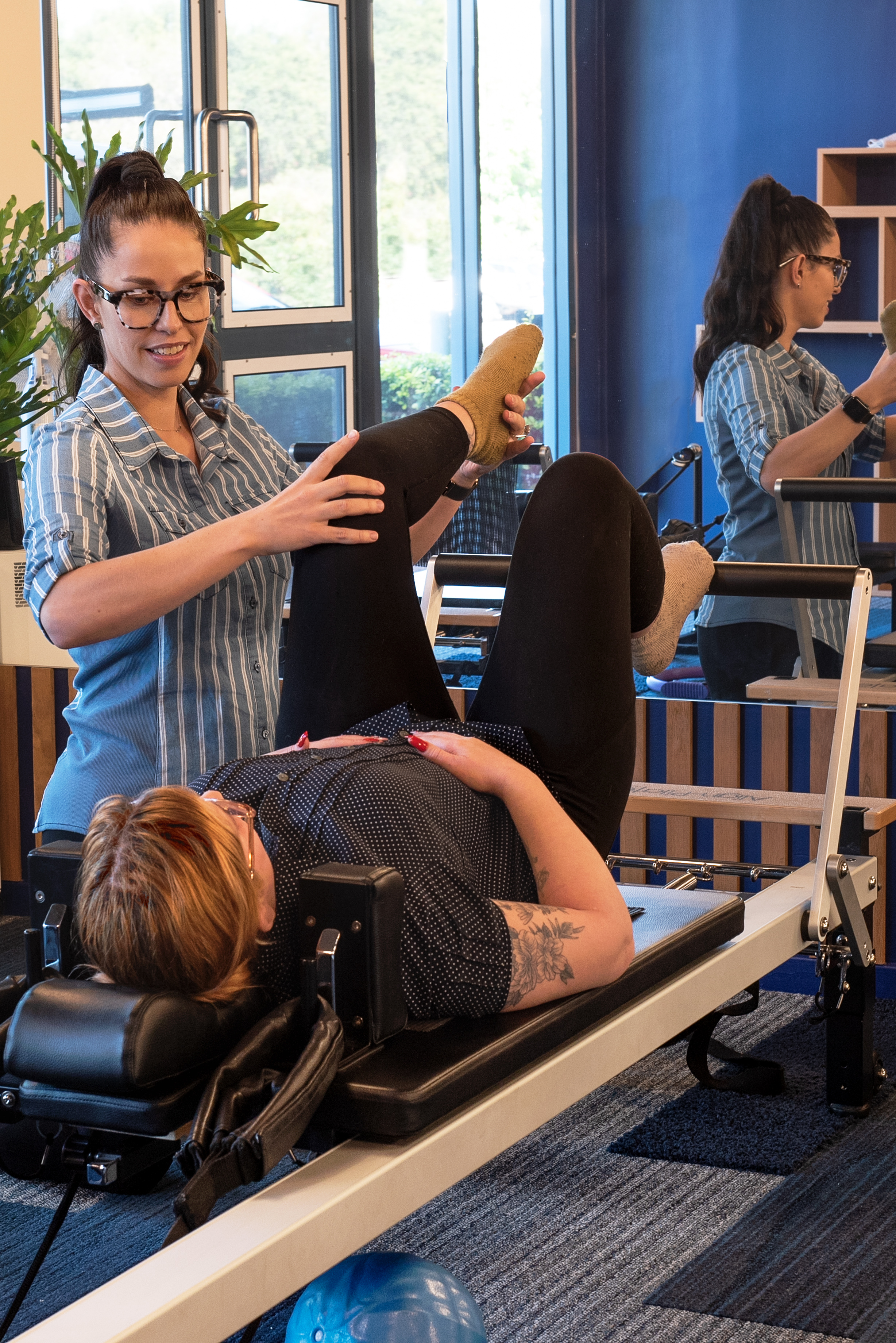
  • Pelvic floor rehabilitation
  • Exercise therapy
  • Postural and movement advice
  • Strength and stability programs
  • Education and activity modification
  • Return-to-exercise guidence

Our approach is based on the latest evidence and focuses on restoring physical function and confidence, not simply managing symptoms.

Not sure if Physiotherapy is the best option or want some quick advice?

Email our team and a Physiotherapist will contact you within 1 working day