Guaranteed appointment within 48 hours (and usually 24)

Returning to Impact and Lifting Safely After Babies

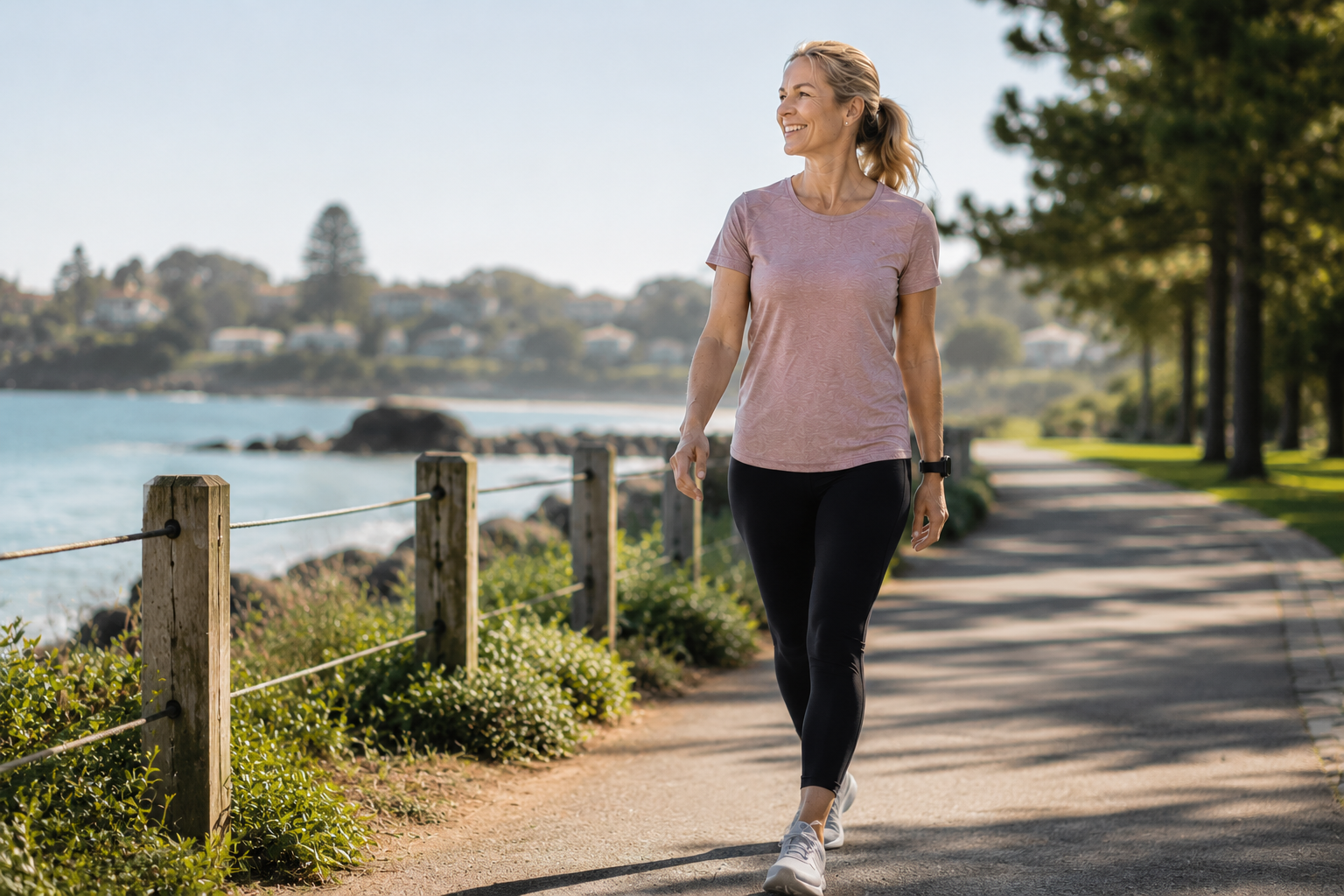
After having a baby, many women are eager to return to exercise. While movement is beneficial, returning too quickly to impact or heavy lifting without adequate preparation can increase the risk of pelvic floor symptoms, pain, and injury.

A structured and gradual approach supports both confidence and long-term health.

Why the postnatal body needs time

Pregnancy and birth affect:

  • Pelvic floor strength and coordination
  • Abdominal muscles
  • Joint stability
  • Bone density, particularly during breastfeeding

These changes mean the body may respond differently to load compared to pre-pregnancy.

Impact exercise and the pelvic floor

Running, jumping, and high-impact sports increase pressure through the pelvic floor. Without sufficient strength and coordination, this pressure can lead to symptoms such as leakage or heaviness (Bo & Nygaard, 2020).

This does not mean impact exercise is unsafe — it means it should be introduced progressively.

Strength training as preparation

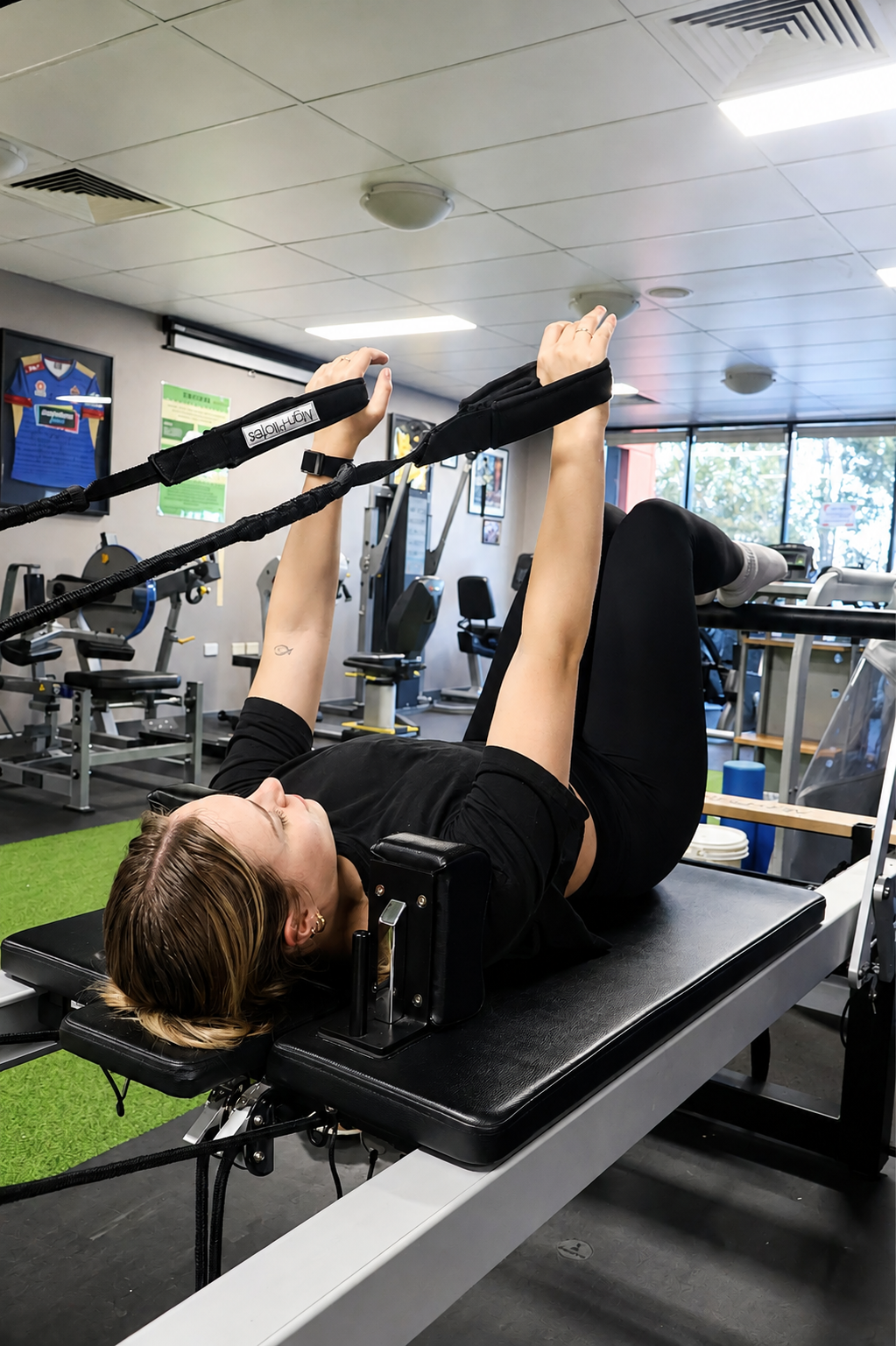
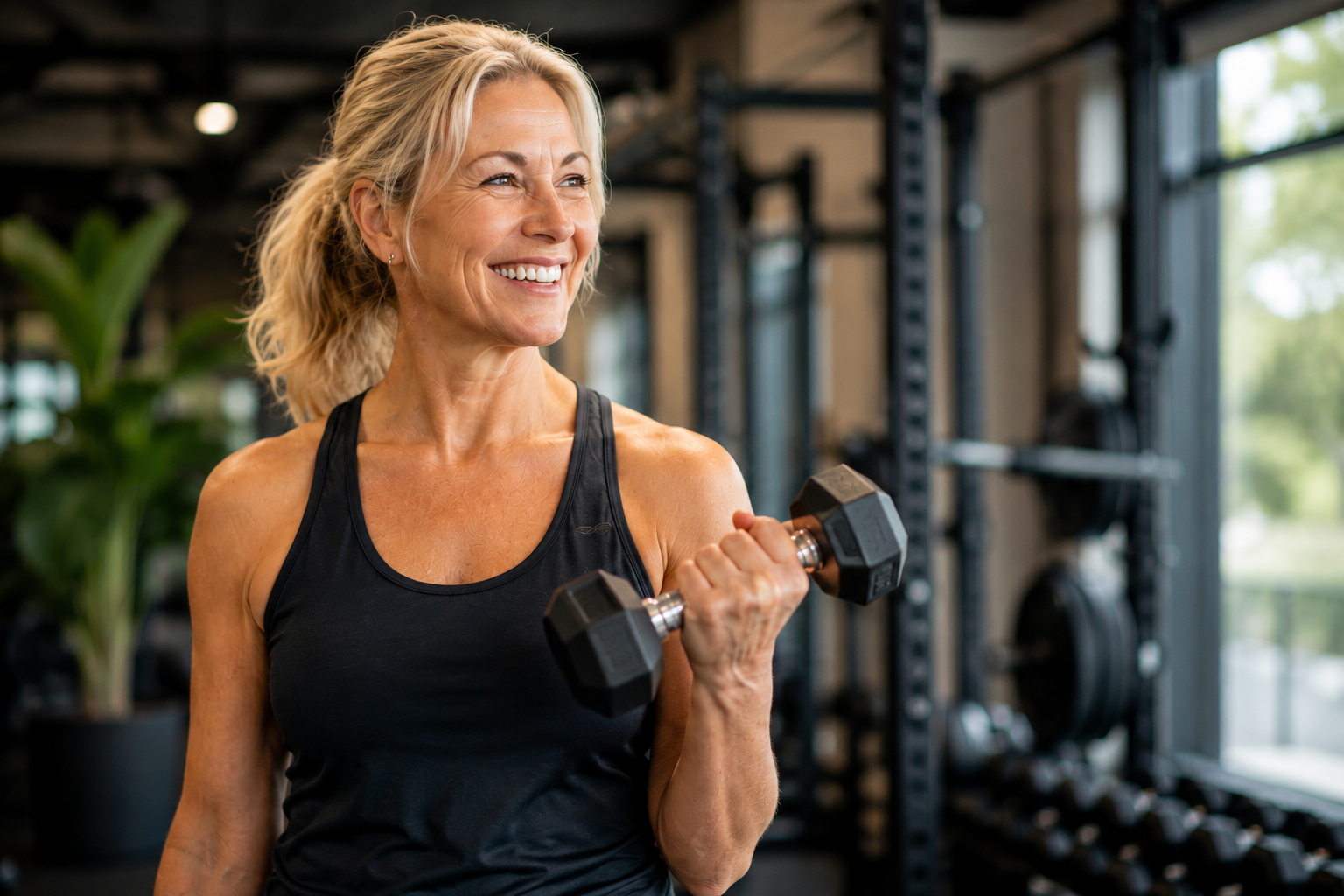
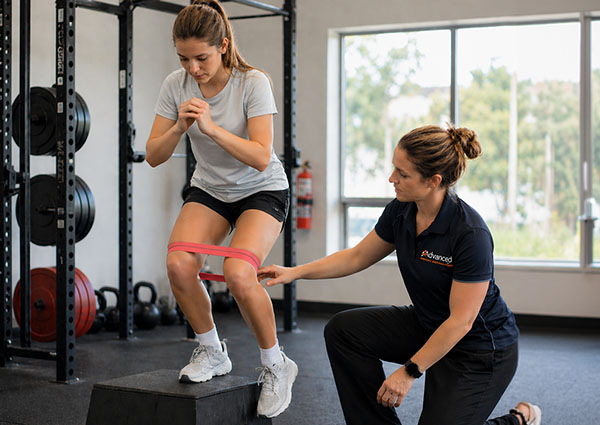
Progressive strength training plays a key role in postnatal recovery. Strength in the hips, legs, trunk, and pelvic floor helps distribute load and reduces strain on vulnerable tissues.

Research supports strength training as safe and beneficial after pregnancy when appropriately prescribed (Davenport et al., 2019).

Signs you may need extra support

Some women benefit from guidance before returning to impact or heavy lifting, especially if they experience:

  • Urinary leakage
  • Pelvic pain or heaviness
  • Ongoing abdominal separation
  • Fear or uncertainty around exercise

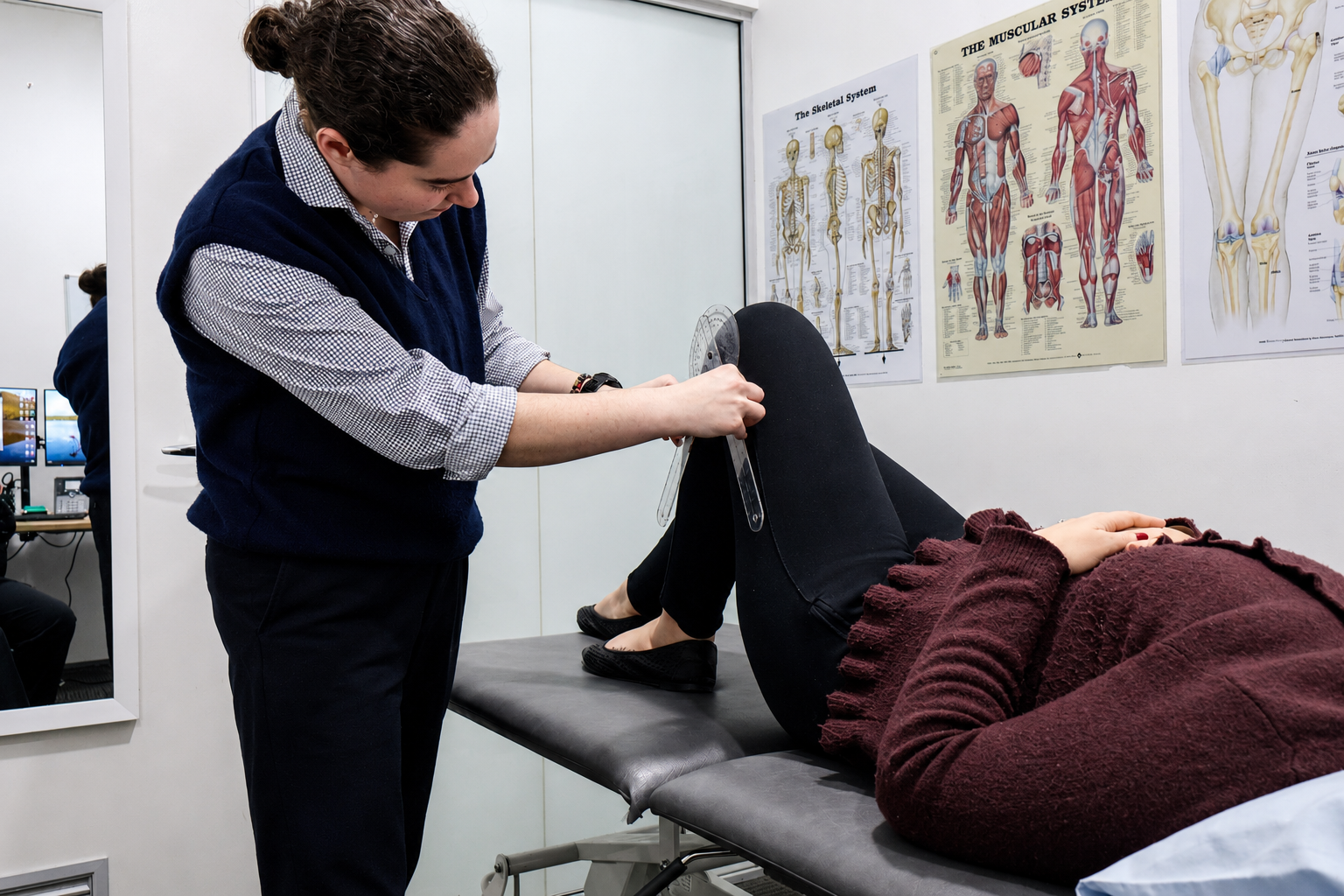
Pelvic health physiotherapy can assess readiness and guide progression.

Bone health considerations

For women who are breastfeeding, bone density may be temporarily reduced. Gradual loading allows bones time to adapt and regain strength without excessive stress.

High-impact exercise is most beneficial once a solid strength base is established.

What a safe return looks like

A safe return includes:

  • Gradual increases in load
  • Attention to breathing and technique
  • Monitoring symptoms
  • Individualised progression

There is no universal timeline. Recovery depends on the individual and most women need approximately 2 years to recover from pregnancy and birth; it is not a race and women should take time to recover steadily.

The take-home message

Returning to impact and lifting after babies should be guided, gradual, and personalised.

Building strength first protects the pelvic floor, supports bone health, and allows women to return to the activities they enjoy with confidence.

Jessica Dingle our physiotherapist is expertly placed to guide these progressions for women and assist those recovering from childbirth with evidence-based an practical solutions for returning to exercise and strength training. Jess uses specific screening tools to establish whether a patient is ready to return to the next stage of their plan for exercise.


References

Bo, K., & Nygaard, I. (2020). Is physical activity good or bad for the female pelvic floor? Current Opinion in Obstetrics and Gynecology, 32(6), 501–506.


Davenport, M. H., et al. (2019). Exercise during pregnancy and the postpartum period. British Journal of Sports Medicine, 53(11), 654–666.


Howe, T. E., et al. (2011). Exercise for preventing and treating osteoporosis. Cochrane Database of Systematic Reviews.


< Return

Make Booking

Book Appointment

Visit Us

Get directions

Message Us

Enquire online